


Experience Luxembourg
Like Never Before.
We are your premier Destination Management Company for Luxembourg, the Greater Region and neighbouring countries.
Your one-stop partner for unforgettable events.
As a leading full-service Destination Management Company, we craft bespoke solutions for meetings, incentives, and group travel in Luxembourg and the Greater Region. Leverage our local expertise, extensive network, and dedicated single point of contact to ensure flawless organization and truly memorable moments.
Part of the SLG Group
We are proud to be a specialized division of Luxembourg's largest travel and mobility ecosystem.
Travel Pro
Corporate Travel Management & Groups specialists.
Sales-Lentz
Leader in public and private passenger transport and sustainable mobility.
Les voyages Léonard
Premier travel agency and coach operator serving Belgium and Luxembourg.
We Love to Travel
Luxembourg’s largest network of leisure travel agencies.
Flibco
Digital airport shuttle service connecting major European hubs.
Sightseeing
Platform for local events, tours, and unique Luxembourg experiences.
Why Luxembourg?
Luxembourg, the country where distances are short, and impressions are great.
Location
Situated in the heart of Europe, bordered by Belgium, France, and Germany.
Language
Multilingual country with three official languages: English, Luxembourgish, French, and German.
One Country, Six Unique Worlds
Six tourist regions that impress with their diversity: Luxembourg City and the regions of Guttland, Éislek, Minett, Moselle and Mullerthal
World-Class Heritage
4 Global Treasures offering – four sites on the UNESCO World Heritage List.
Population
Approximately 660,000 inhabitants, with a highly diverse population—almost half are foreign nationals.
Government
A constitutional monarchy with a parliamentary democracy, we are the only Grand Duchy in the world.
Why visit Luxembourg?
Well Connected
-
Free Public Transport First country in the world with free nationwide transport for everyone.
-
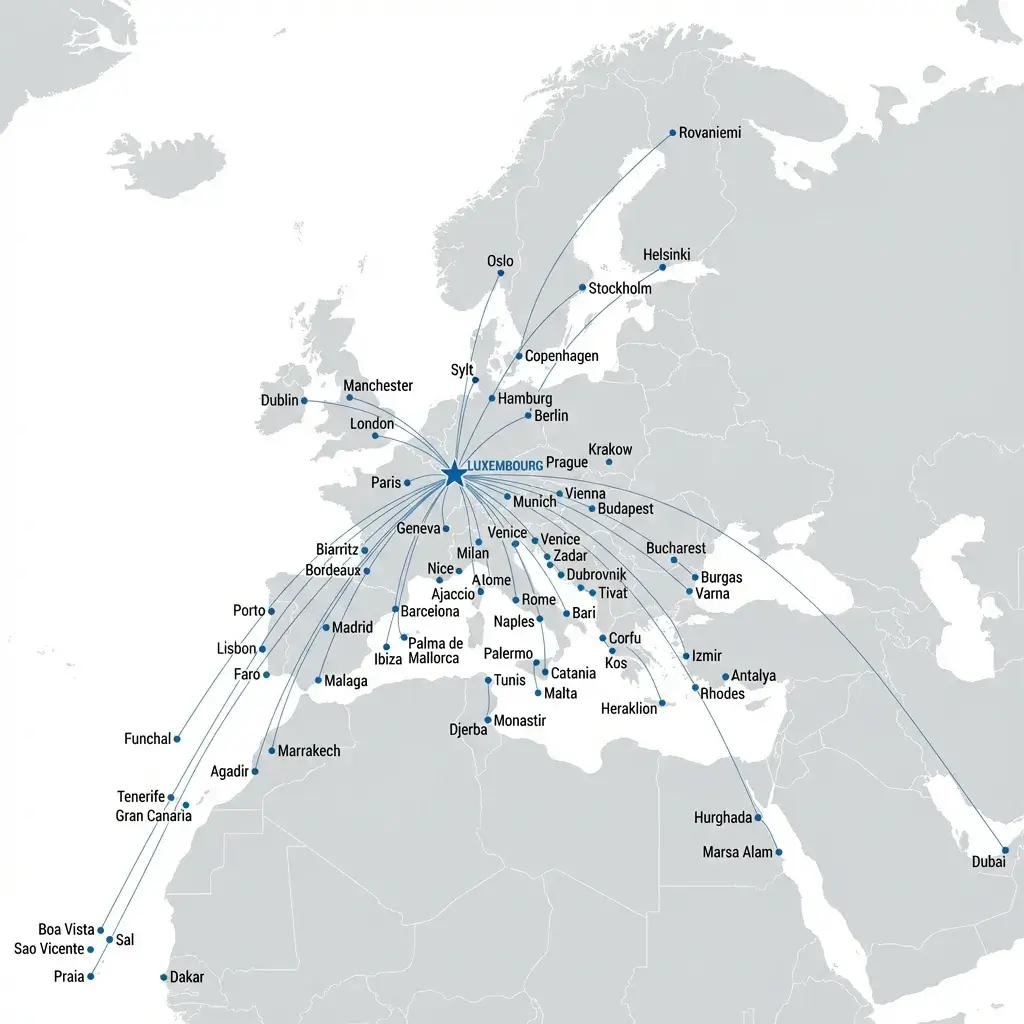
Strategic Location In the heart of Europe, easily accessible from all major capitals.
-
Multilingual Hub A truly international environment where English is widely spoken.
-
Safest Capital Consistently ranked among the safest and most stable cities globally.
-
Compact Versatility City business and countryside leisure within a 20-minute drive.
-
Green & Sustainable A leader in eco-friendly tourism and sustainable event solutions.
-
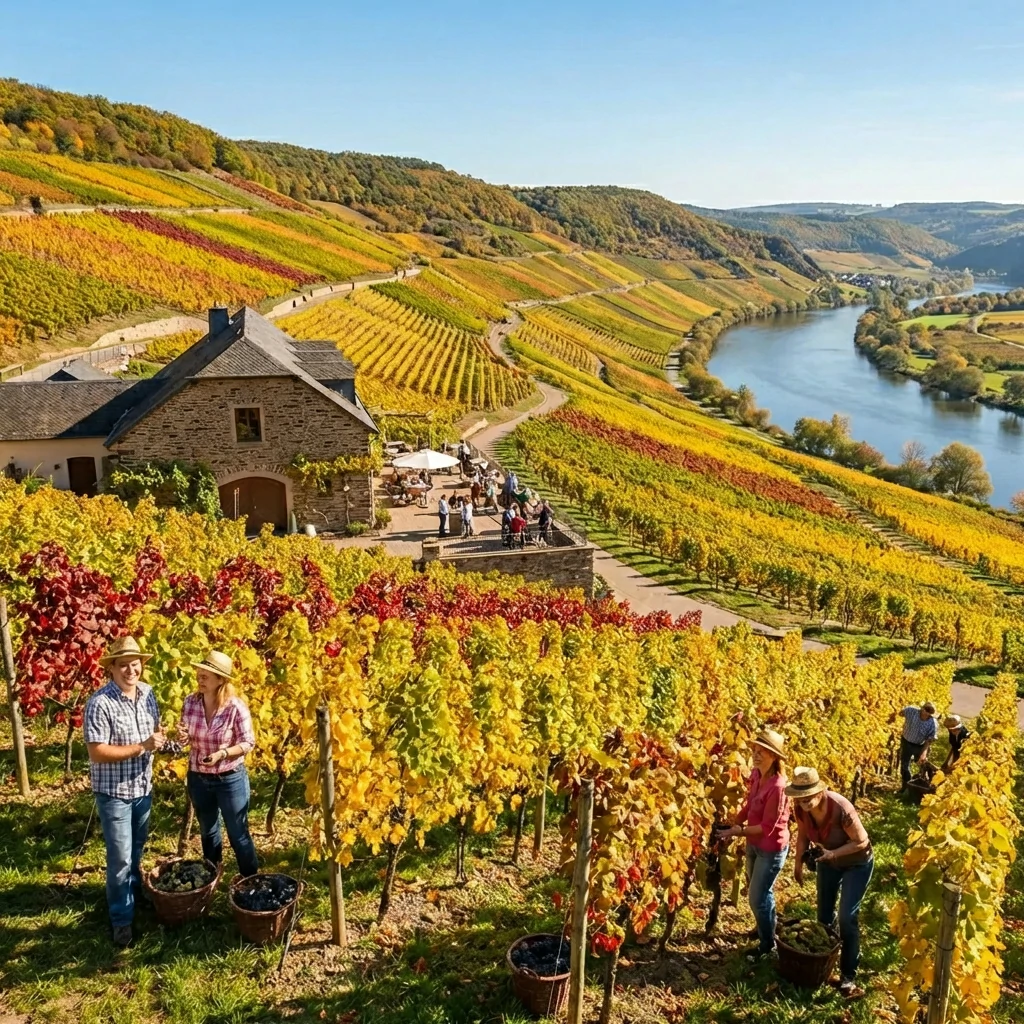
Gastronomy & Wine Home to Moselle wines and a high density of top-tier restaurants.
-
Historical Charm Where UNESCO World Heritage sites meet modern European architecture.
Comprehensive DMC Services
DMC Luxembourg
Full-service management for Meetings, Incentives, Conferences, and Groups. Venue sourcing, catering, and technical support.
Transport
Flights, Airport Transfers, Shuttles, Private coach hire, Train.
Bespoke Tours
Curated itineraries exploring UNESCO sites, Moselle vineyards, and hidden cultural gems.
Accomodation
1–5 star hotels, boutique hotels, youth hostels, campsites.
Team Building
Unique activities.
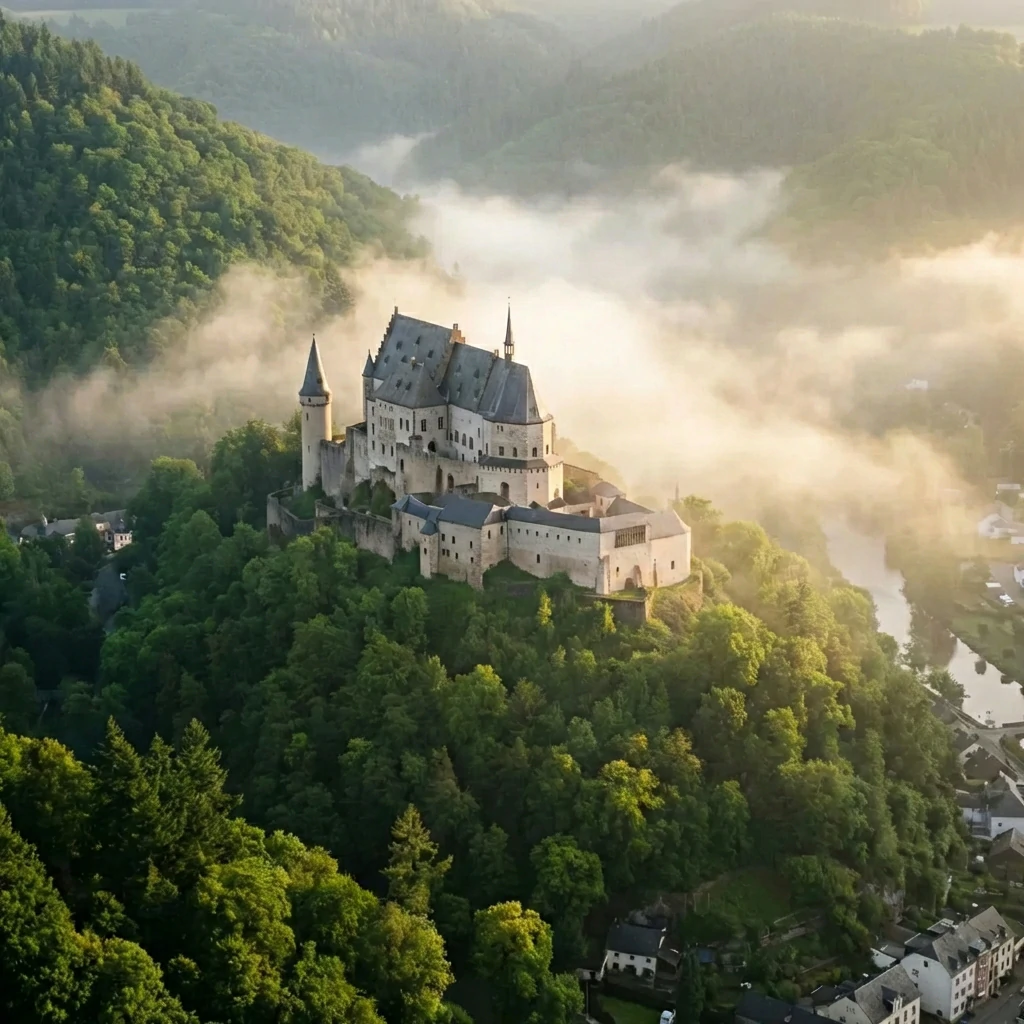
Luxembourg: Small Country,
Infinite Possibilities.
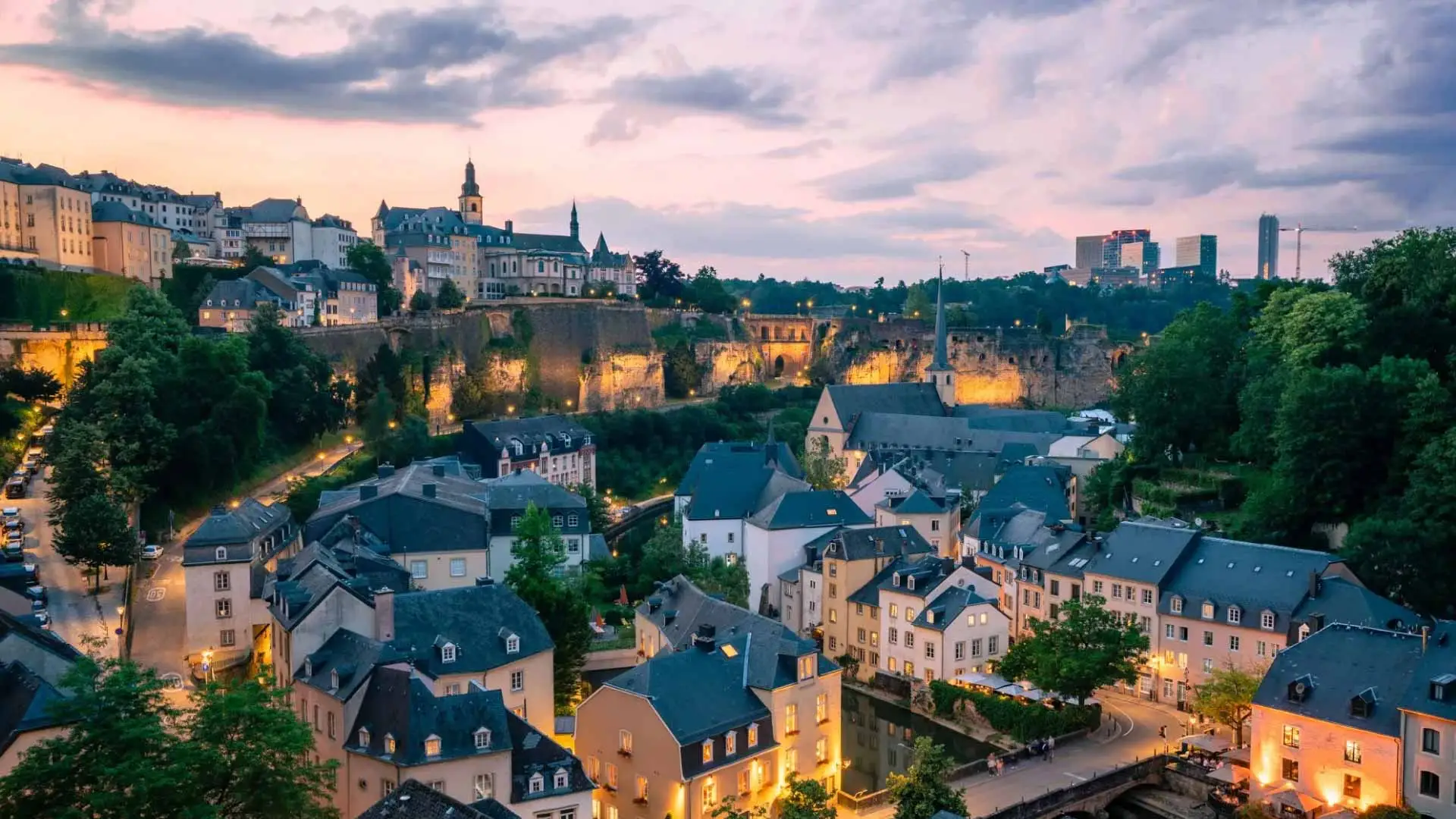
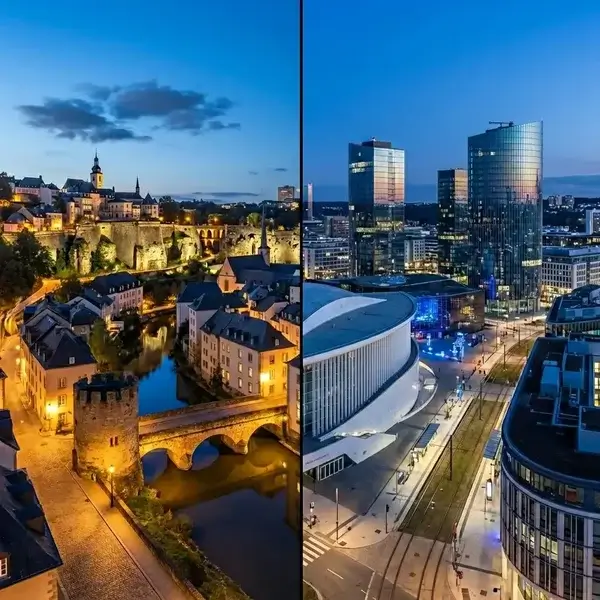
Nestled in the heart of Europe, Luxembourg offers a unique blend of medieval charm and modern cosmopolitan flair.
-
Luxembourg City - the capital A unique blend of modernity and tradition on every corner.
-
Minett, the Land of the Red Rocks In the South of Luxembourg, industrial heritage and nature worth protecting merge.
-
Guttland region - take it slow Relaxation, tranquillity, and pure nature in the centre of Luxembourg.
-
Eislek - the Luxembourg Ardennes Crossed by rough valleys, plateaus and forests.
-
Mullerthal - Little Switzerland of Luxembourg A unique biotope mixed with rocks.
-
The Moselle - Luxembourg's wine region Flavour and European spirit
Meet Us
Come and say hello to our team at the following international trade fairs and events.
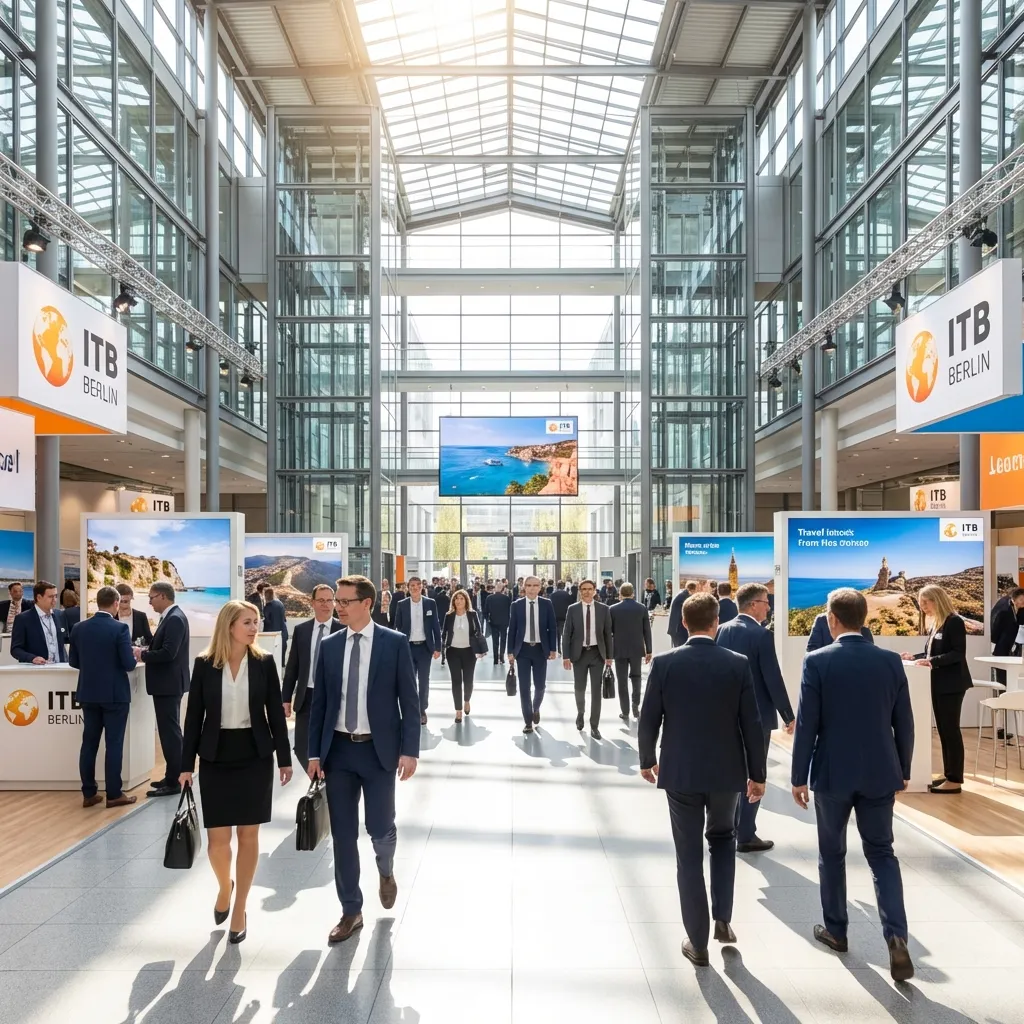
ITB Berlin 2026
Berlin, Germany
Stand 400
The World's Leading Travel Trade Show. Meet us to discover our exclusive travel solutions and varied accommodation options in Luxembourg.
Visit Website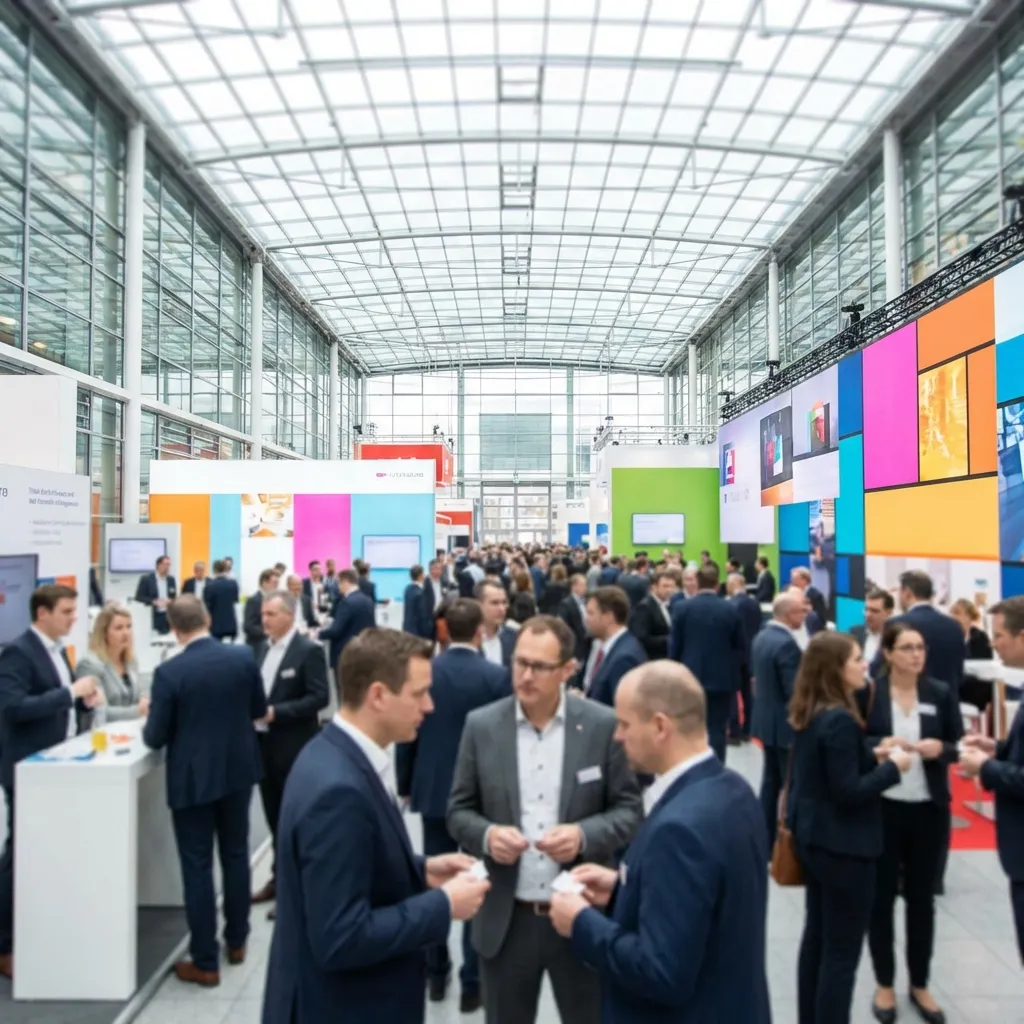
IMEX Frankfurt 2026
Frankfurt, Germany
Booth Luxembourg Convention Bureau
The heartbeat of the global business events community. Let's connect to design your next unforgettable incentive or conference in Luxembourg.
Visit Website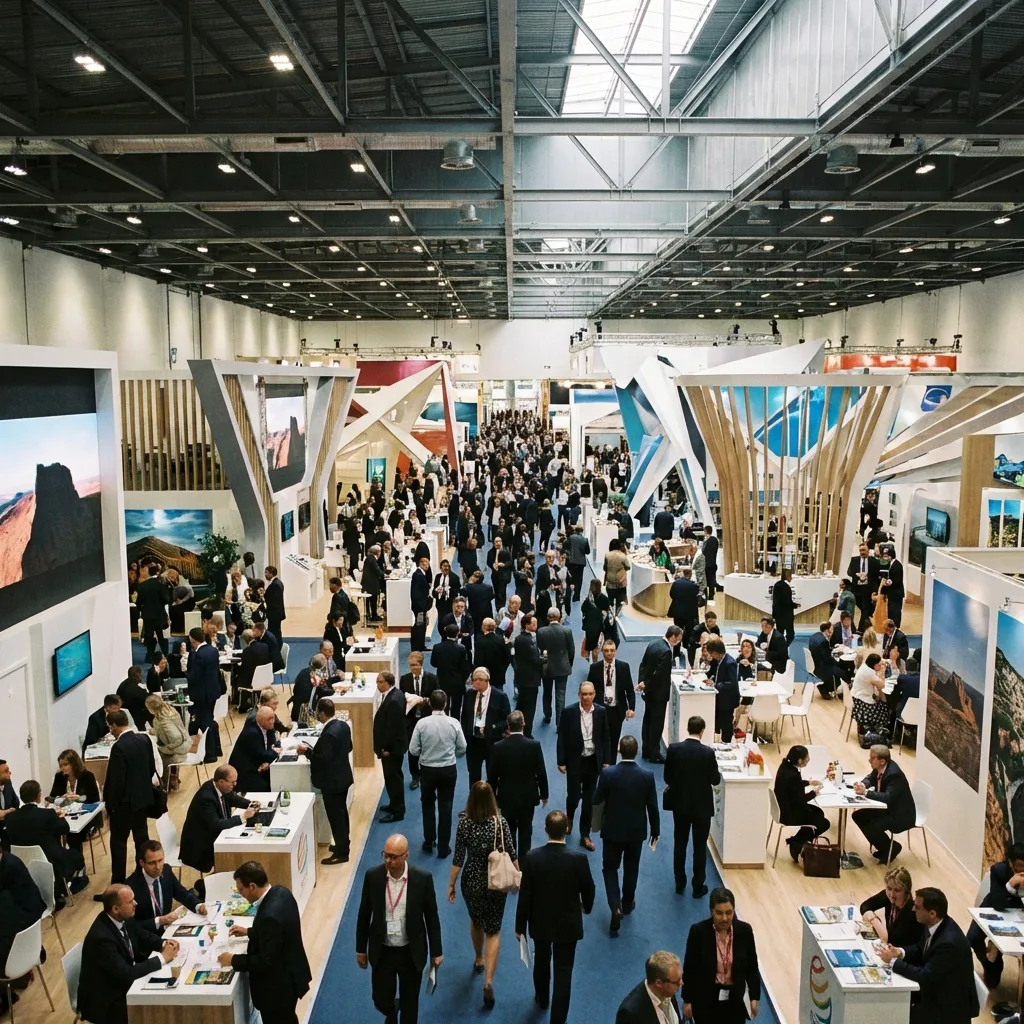
IBTM World 2026
Barcelona, Spain
Booth Luxembourg Convention Bureau
The leading global event for the meetings and events industry. Inspiring events for better business results – let's plan your 2027 strategy.
Visit WebsiteStart Your Project
Ready to plan your next event in Luxembourg? Fill out the form below and our team will get back to you a soon as possible.